Preparing property for construction, agriculture, or improvement starts with two crucial processes: grading and land clearing. These services determine how efficiently your project unfolds, how durable your foundation becomes, and how accessible your land will stay over time. Whether you own a wooded residential lot or a sprawling commercial site, understanding grading and land clearing can save you time, money, and stress.
In this comprehensive guide, we will explain what grading and land clearing involve, why both are essential, how professionals execute them, and how Alpha Mulching delivers best-in-class results in Georgia and surrounding areas.
When Should You Schedule Grading and Land Clearing?
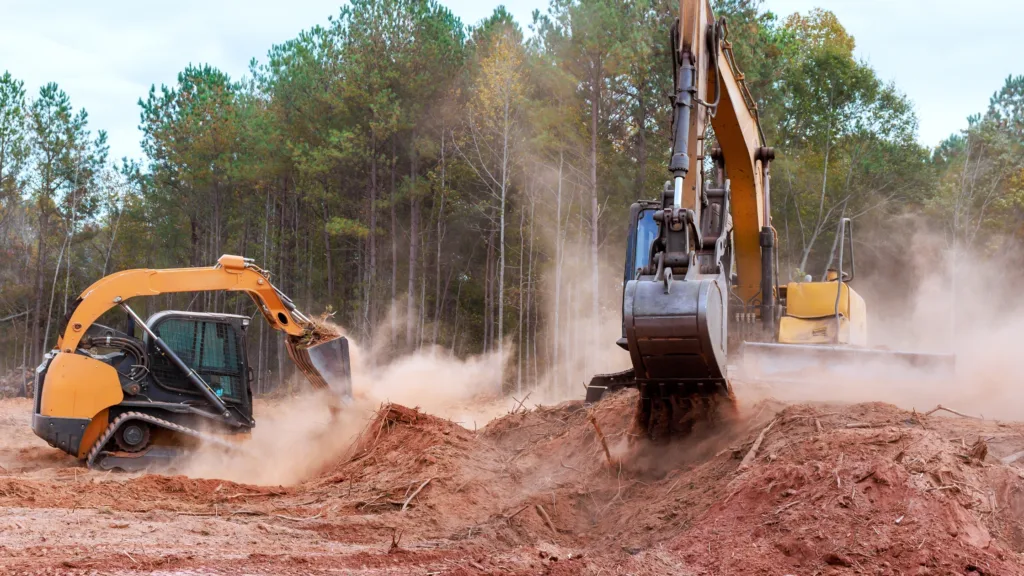
You should schedule grading and land clearing before construction, landscaping, or major land improvements, because early site prep prevents delays, protects drainage plans, and keeps budgets controlled. Additionally, you should act sooner if you see standing water, heavy brush growth, erosion lines, or uneven ground that limits access. In many cases, early clearing and grading will also help you plan utilities, driveway placement, and building layout more confidently. Moreover, it reduces safety hazards for crews, improves equipment access, and prevents last-minute redesigns when inspectors or contractors flag site issues. As a result, you start your project with a clean, stable, and build-ready site instead of fixing problems mid-way.
What Is Grading and Land Clearing?
At its core, grading and land clearing refers to preparing a parcel of land so that it becomes safe, stable, and use-ready. Land clearing involves removing unwanted vegetation such as trees, brush, and debris. Meanwhile, grading reshapes the land’s surface to create a level base or desired slope for construction or drainage.
Most property owners assume these services are simple, but they require precision and planning. Without proper grading, water may pool in unwanted areas. Similarly, land clearing that cuts corners can leave stumps or underbrush that interfere with building or landscaping. Skilled professionals handle both tasks systematically and safely.
Why Grading and Land Clearing Matter
Grading and land clearing determine how smoothly your project starts and how well your land performs long-term, because proper prep improves safety, drainage, access, and build-ready stability.
1. Preparing the Land for Construction
Before any building or hardscaping begins, the land must be cleared of obstacles and graded to specifications. Otherwise, projects face delays, structural issues, and higher costs because crews must rework soil, correct drainage mistakes, and stabilize weak areas before construction can safely continue.
2. Enhances Property Safety
Uncontrolled vegetation invites pests, increases fire risk, and creates uneven terrain. Proper land clearing eliminates these hazards, leaving the area safer for people and equipment while improving visibility, reducing hidden stump damage, and creating cleaner access routes for trucks, crews, and future maintenance.
3. Improves Drainage and Erosion Control
If grading is done right, water disperses away from foundations, roads, and walkways. This protects buildings and eliminates soil erosion over time because the controlled slopes guide runoff, prevent pooling, reduce cracking, and keep subsoil stable during heavy rain and seasonal storms.
4. Boosts Property Values
Clean, level land enhances property aesthetics and market appeal. Clean lots display more usable space and appear more attractive to potential buyers or investors because they can visualize building layouts, access points, landscaping plans, and future expansion without hidden cleanup costs.
5. Prepares Ground for Landscaping
Even if you’re not building immediately, grading ensures your landscape design begins on a strong foundation, reducing problems later because it supports proper drainage, prevents soggy patches, keeps soil in place, and helps plants, patios, and pathways stay level throughout changing seasons and heavy rainfall.
Together, grading and land clearing form the backbone of successful land development — and each step has real, measurable impacts on your property’s longevity and performance. Learn more about Mastering Land Clearing.
The Difference Between Land Clearing and Grading
Although grading and land clearing are related, they serve distinct purposes and play separate roles in preparing land for construction and development.
- Land Clearing: Refers to removing vegetation. The service includes cutting down trees, mulching brush, clearing undergrowth, and hauling away debris.
- Grading: Involves shaping the land. After clearing the lot, professionals adjust slopes, level soil, and design the surface to support construction or proper drainage.
- Timing & Sequence: Land clearing usually happens first to open the site. Then, grading follows to fine-tune elevation, slope, and build readiness.
- Tools & Equipment:Land clearing uses mulchers, chainsaws, and heavy machines. Grading relies on dozers, skid steers, and attachments for precision shaping.
- End Result: Land clearing removes obstacles and debris to create usable space. Grading creates a stable, sloped surface for foundations, driveways, roads, and drainage.
While land clearing makes your space accessible, grading ensures your site functions well long after the initial work is finished.
How Professionals Execute Grading and Land Clearing
Qualified teams follow structured processes to ensure accuracy, safety, and efficiency. Here’s how they typically work:
A) Site Evaluation
Before the machines arrive, experts inspect the property for obstacles, soil type, terrain variation, and environmental factors. They will determine how best to proceed.
- Identify obstacles and access routes.
- Assess soil type and stability.
- Review slopes, drainage, and risks.
B) Vegetation Removal
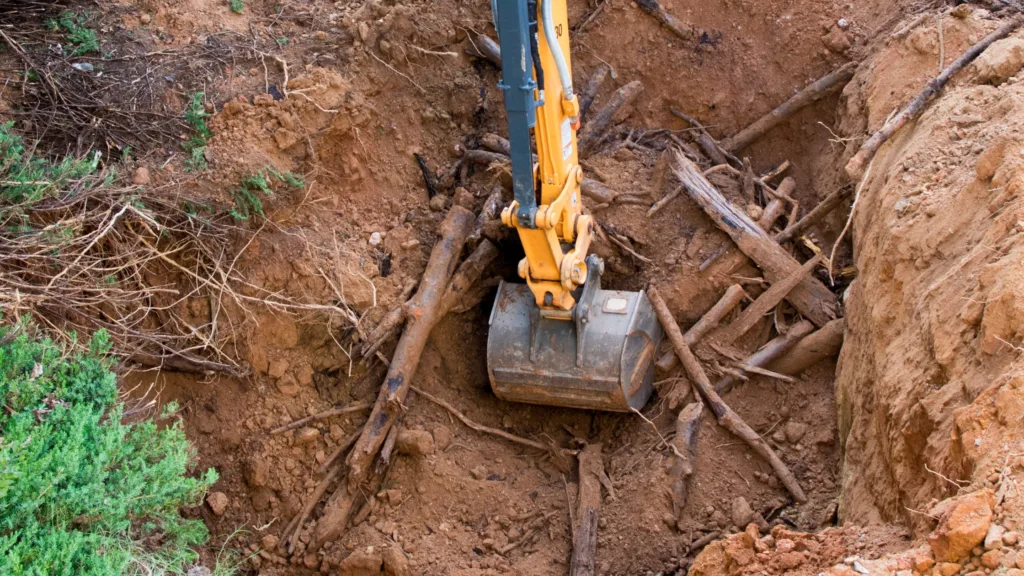
Using forestry mulchers and other equipment, crews clear underbrush, trees, stumps, and debris. This step eliminates safety risks and reveals the true lay of the land.
- Removes hidden hazards and stumps.
- Improves access to machines.
- Opens clear sightlines for grading.
C) Ground Preparation
After clearing vegetation, the team prepares the soil. At this stage, heavy machinery redistributes soil, eliminates bumps, and shapes slopes.
- Levels high spots and ruts.
- Fills low areas for stability.
- Shape slopes for drainage.
D) Precision Grading
Professionals apply exact grades to ensure water flows correctly and surfaces remain stable. This is especially vital for foundations, driveways, and roadways.
- Direct runoff away from structures.
- Prevents pooling and soft spots.
- Creates stable, build-ready surfaces.
E) Final Inspection
Once grading and land clearing are complete, the team inspects the site to verify compliance with plans and eliminate any outstanding issues.
- Verify elevations match the plan.
- Check drainage flow and slope.
- Fix any remaining rough spots.
Each step improves your property’s utility, safety, and readiness for your next project, while reducing rework, preventing drainage failures, and protecting long-term surface stability for construction, access roads, and landscaping plans.
Eco-Friendly Approaches to Grading and Land Clearing
Today, many land services emphasize sustainability. Alpha Mulching, for example, uses eco-friendly forestry mulching to prevent waste and enhance soil health. Instead of hauling debris offsite or burning brush, mulchers grind vegetation into nutrient-rich mulch that remains on the property. This mulch supports soil moisture, reduces erosion, and improves growth conditions over time. Moreover, it creates a protective ground layer that helps regulate temperature swings and reduces sediment runoff during heavy rain.
Sustainable practices also reduce the environmental impact of development, support wildlife habitats, and retain natural contours where possible. As a result, you can improve land usability while still respecting the landscape, reducing smoke pollution, and limiting unnecessary disruption to surrounding areas.
Common Uses of Grading and Land Clearing Services
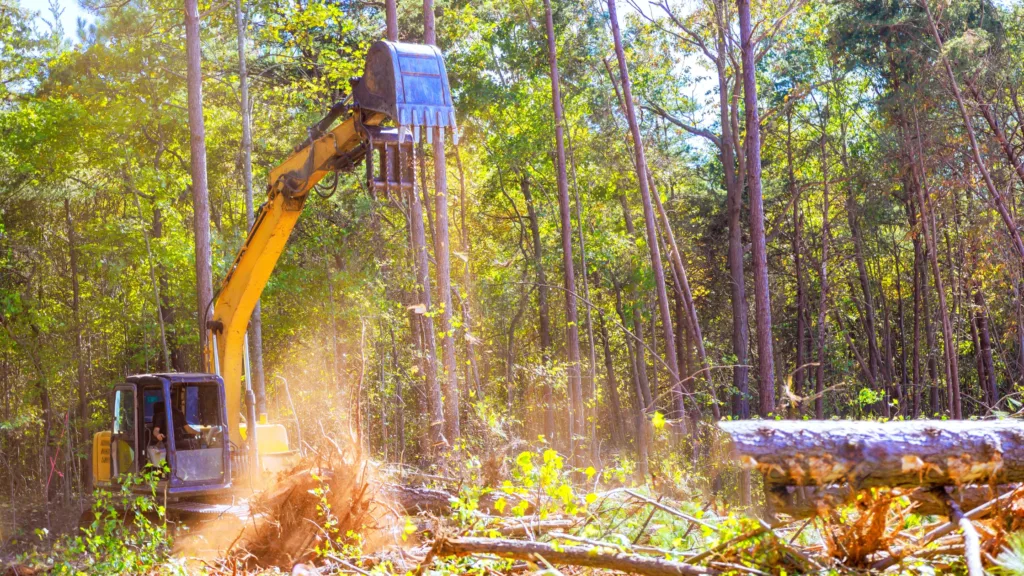
Property owners often require grading and land clearing for a variety of projects, including residential upgrades, commercial development, safety improvements, and long-term land management.
- Residential Lot Preparation: Clearing and leveling space for a home, driveway, lawn, or outdoor structures.
- Commercial Development: Preparing larger tracts for businesses, retail centers, or industrial facilities.
- Agricultural Land Improvement: Removing brush and leveling earth to enhance planting conditions.
- Road and Trail Construction: Creating accessible paths and roadbeds through rough terrain.
- Firebreaks and Safety Zones: Clearing vegetation to reduce wildfire risk around homes and infrastructure.
- Erosion Control Projects: Regrading slopes to prevent soil loss and costly water runoff damage.
Each application demands attention to detail and the right equipment to deliver lasting results, because soil conditions, slope angles, and vegetation density change from property to property.
How Alpha Mulching Excels in Grading and Land Clearing
When it comes to professional land services, Alpha Mulching stands out in Georgia and beyond for three reasons: proven experience, modern equipment, and eco-conscious methods that deliver fast, clean, build-ready sites with long-term performance.
i. Experience and Precision
With over a decade of hands-on field work, Alpha Mulching has completed hundreds of projects for residential and commercial clients.Their team ensures grading and land clearing meet your specific goals, while keeping timelines tight, protecting the site, and delivering clean, build-ready results you can trust through clear communication, careful planning, and equipment choices matched to your terrain and end use.
ii. Advanced Equipment
They use state-of-the-art machinery to handle even the toughest terrain, delivering results that are efficient and safe, while reducing ground disturbance, improving precision, minimizing downtime, and completing complex projects faster without sacrificing surface quality or environmental responsibility even on tight access sites, steep slopes, and heavily overgrown properties.
iii. Eco-Friendly Techniques
Alpha Mulching focuses on sustainable practices like forestry mulching, which improves soil health and reduces environmental impact, because the process turns brush and small trees into natural ground cover. As a result, you reduce erosion, retain moisture, limit weed regrowth, and avoid hauling or burning debris while keeping nutrients onsite, protecting topsoil, and leaving a cleaner, more manageable finish for future work.
Additionally, they offer total site preparation, ROW (right-of-way) clearing, grinding & chipping, and more — all designed to make your property usable and attractive. Learn more about Forestry Mulching Cost Per Acre.
Costs and Considerations for Grading and Land Clearing
The cost of grading and land clearing varies based on factors like property size, vegetation density, terrain challenges, and soil conditions. Because of this, professionals typically provide customized quotes after a site assessment so the scope matches your goals, timeline, access limits, and finish expectations.
However, skilled crews complete projects more quickly and accurately, often saving you money by avoiding delays, mistakes, and rework that can happen when drainage, compaction, or elevation lines are handled incorrectly.

Conclusion
Whether you’re ready to build, develop land for agriculture, or simply enhance your property’s usability and appearance, professional grading and land clearing are essential first steps. These services improve safety, support drainage, boost property value, and lay the groundwork for every future project. Additionally, they reduce long-term maintenance issues by preventing erosion, eliminating hidden hazards, and creating a clean, stable surface for access, utilities, and landscaping.
For dependable results that blend efficiency, sustainability, and expertise, trust Alpha Mulching to prepare your land with precision and care so you can move forward confidently, knowing the site is truly ready for what comes next.
FAQs
1. What does grading and land clearing include?
Grading and land clearing includes removing vegetation, clearing debris, reshaping soil surfaces, and preparing land for construction or landscaping.
2. How long does a typical land clearing project take?
The timeline varies by property size and terrain, but professional crews generally complete most residential jobs in a few days.
3. Does land clearing damage the soil?
When done by experts using sustainable methods like forestry mulching, the soil remains healthy and benefits from added nutrients.
4. Do I need a permit for grading and land clearing?
Permit requirements depend on your local regulations. Always check with your municipal authorities before starting work.