Every great structure begins with a solid foundation, but before you can pour concrete or frame a wall, you need a canvas. In the construction and development world, that canvas is the land itself. However, rarely does a plot of land come ready-made for building. Trees, stumps, boulders, and uneven terrain stand in the way of progress. This is where Land Clearing becomes the most critical phase of your project.
It is a misconception that clearing land is simply “cutting down trees.” In reality, it is a complex engineering task that involves site preparation, soil management, and strategic grading. Whether you are building a custom home, a commercial complex, or a new road, the quality of your land clearing determines the stability and timeline of everything that follows. At Alpha Mulching, we provide the professional expertise needed to turn raw, rugged land into a construction-ready site.
The Scope of Professional Clearing
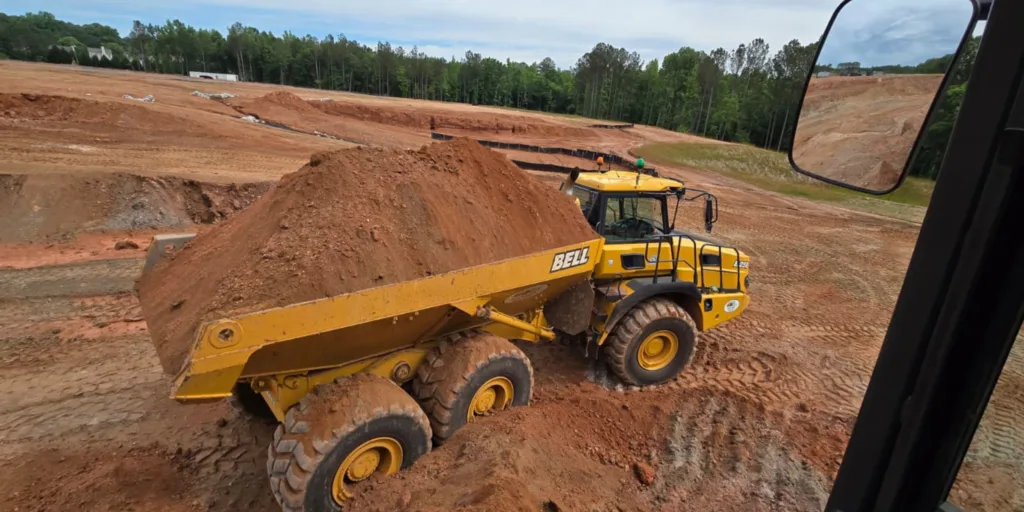
Land Clearing is an umbrella term that encompasses several distinct activities. It is the process of removing all obstacles from a site to prepare it for improvement. This isn’t just about aesthetics; it is about functionality and compliance.
When we approach a site, we are looking at three main layers:
- Surface Vegetation: The visible trees, shrubs, and brush.
- Sub-surface Obstacles: Root systems (grubbing), stumps, and large rocks that could interfere with foundations.
- Topography: The flow of the land, drainage patterns, and grading requirements.
To understand how traditional clearing compares to modern alternatives like forestry mulching, and to decide which method suits your specific timeline, check out our Ultimate Land Transformation Guide.
The Step-by-Step Process of Site Preparation
A professional clear is a systematic operation. We don’t just drive in and start cutting; we follow a plan designed to maximize efficiency and safety.
1. Site Assessment and Permitting: Before a single machine is unloaded, the land must be surveyed. We identify property boundaries, protected wetlands, and utility easements.
- The Goal: To create a roadmap that ensures we are clear exactly what is needed without violating local regulations or damaging neighboring properties.
2. Vegetation Removal: This is the heavy-lifting phase. Depending on the density of the forest, we utilize a mix of excavators, bulldozers, and forestry mulchers.
- The Strategy: We remove the bulk of the timber. Merchantable timber might be harvested, while brush and slash are processed on-site. This is where site preparation for construction truly begins, opening up the visual lines of the property.
3. Grubbing and Stump Removal: Cutting a tree down is the easy part; getting the stump out is the challenge.
- The Importance: You cannot build a stable foundation over buried wood. As the wood rots, it creates voids in the soil, leading to sinkholes and cracked foundations years later.
- The Method: We excavate or grind stumps completely, ensuring the soil is stable and compactable.
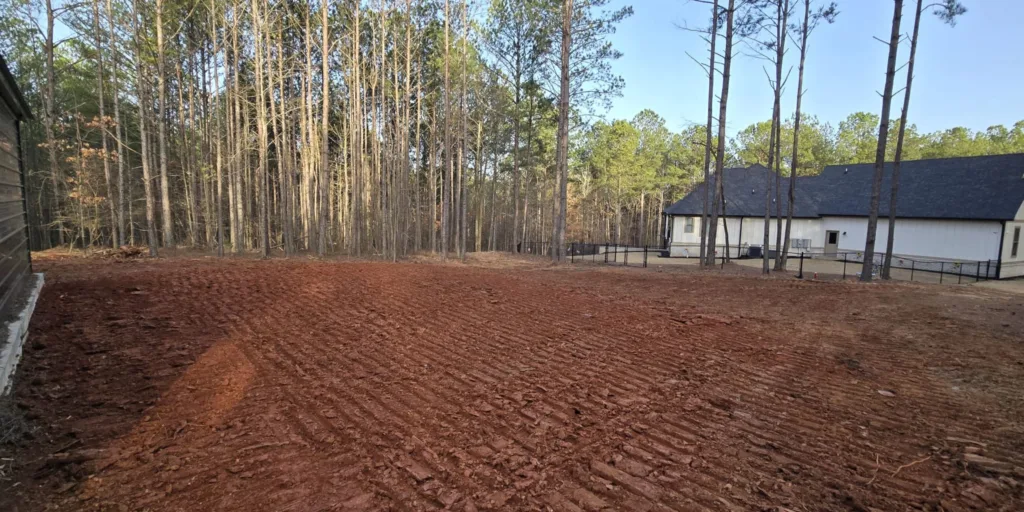
4. Rough Grading: Once the organic material is gone, the land is rarely flat.
- The Finish: We smooth out the holes left by stump removal and level the high spots, leaving a “rough grade” that is ready for the surveyors to set their stakes.
Why DIY is Not an Option
In an era of “do it yourself,” land clearing remains a job strictly for professionals. The risks associated with heavy timber and heavy machinery are immense.
Safety Hazards: Felling trees is statistically one of the most dangerous jobs in the world. A tree that falls the wrong way can destroy a house, take down power lines, or cause fatal injuries.
- Professional Edge: We have the insurance, the training, and the protective equipment to manage these risks. When you hire Alpha Mulching, the liability is on us, not you.
Hidden Costs of Amateur Equipment Renting a small skid steer for a weekend might seem cheaper, but it is often a false economy.
- Efficiency: A professional machine can do in an hour what a rental unit does in a day.
- Wear and Tear: Clearing land is brutal on machinery. Blow a hydraulic hose or bend a track on a rental, and your budget evaporates.
Environmental Responsibility in Clearing
Modern land clearing is not about “conquering” nature; it is about managing it responsibly. Strict EPA regulations govern how sediment and runoff are handled during construction.
Erosion Control: When you strip vegetation, you expose the soil to rain. Without proper management, this leads to massive erosion.
- Best Practices: We utilize silt fencing and strategic mulch barriers to keep the soil on your site and out of the waterways. This keeps your project compliant with local environmental codes.
Debris Management: What do you do with the waste?
- Burning: Often prohibited or restricted to small windows of time.
- Hauling: Expensive and fills up landfills.
- Mulching: The preferred modern method. By incorporating organic matter back into the non-building areas of the site, we reduce waste and improve soil quality.
The Alpha Mulching Promise
At Alpha Mulching, we understand that we are often the first crew on a job site. We set the pace for the entire project. If we are late, the concrete trucks are late. If we do a poor job, the graders have to work twice as hard.
We bring a level of professionalism that commercial contractors and homeowners rely on.
- Reliability: We stick to the schedule we agree upon.
- Transparency: No hidden fees. You know exactly what the scope of work includes.
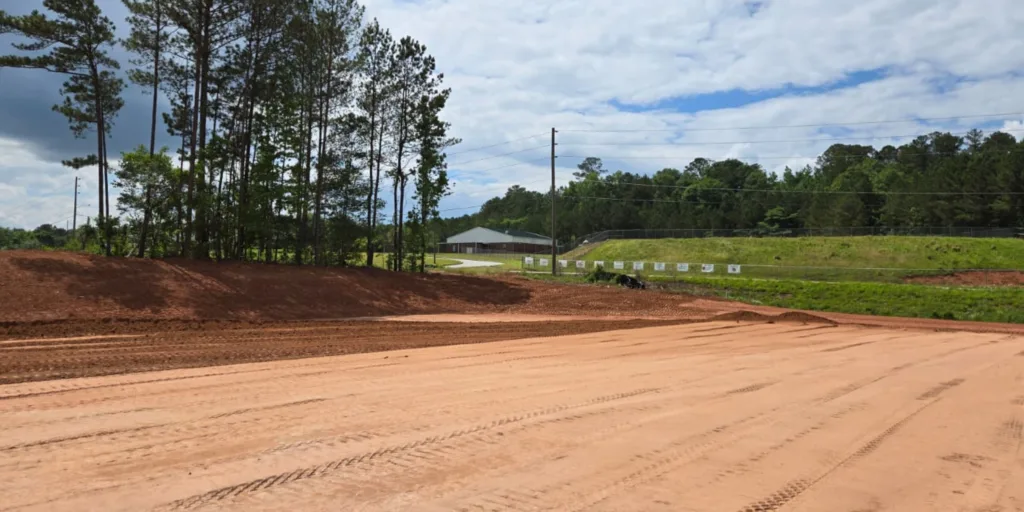
- Quality: We leave the site clean, level, and ready for the next trade to get to work.
Start Your Project on Solid Ground. Don’t let site preparation become a bottleneck in your construction schedule. Whether you need a simple lot clearing for a new home or comprehensive excavation services support a commercial development, Alpha Mulching has the equipment and the expertise to deliver. Contact us today, and let’s get your project moving.
Forestry Mulching & Land Clearing Across West Georgia
Alpha Mulching provides forestry mulching and land clearing services throughout west Georgia — including Columbus, LaGrange, Newnan, Villa Rica, West Point, and the Atlanta metro. Looking for forestry mulching near you? Call 706-333-0078 for a free estimate.