
Land reclamation services convert unusable, degraded, or contaminated parcels into buildable real estate through a coordinated sequence of site clearing, grading, soil stabilization, drainage engineering, and regulatory compliance. For construction companies and property developers, understanding exactly what these services include — and how to procure them — can mean the difference between a profitable project and a costly regulatory delay.
What Land Reclamation Services Actually Include (Beyond the Definition)
Land reclamation is far more than moving dirt. According to Wikipedia’s baseline definition, land reclamation refers to the process of creating new land from oceans, riverbeds, or other water bodies — but in a commercial development context, the term covers a much broader suite of contractor-delivered services.
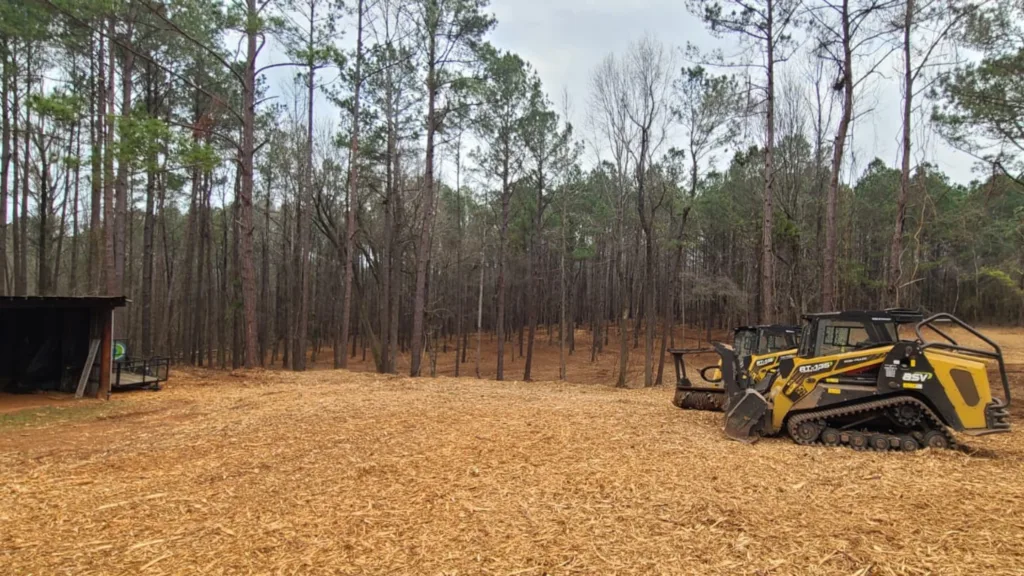
A full-scope engagement typically includes vegetation clearing and stump removal, terrain grading, soil stabilization, engineered fill placement, compaction testing, drainage installation, and environmental compliance documentation. Each phase has its own cost center, timeline, and permit requirements. Skipping any one of them can halt a project mid-build or expose a developer to liability.
Firms like CDI Services specialize in terrain stabilization and natural reclamation methodology, handling complex sites where standard grading alone is insufficient. The key takeaway: reclamation is a multi-discipline construction service, not a single trade.
The 5 Most Common Site Types That Require Reclamation
Not every unusable parcel requires the same approach. Site type determines method, cost, timeline, and which regulatory agencies get involved.
The five most common categories developers bring to reclamation contractors are: brownfields (formerly industrial or commercial land with contamination), former quarries and gravel pits (deep voids requiring engineered fill), wetland-adjacent parcels (subject to Army Corps jurisdiction), flood-prone lots (requiring drainage redesign), and vegetation-overgrown land (requiring mechanical clearing before any grading begins). Each category carries distinct risk profiles and permitting pathways.
Brownfield Reclamation: Contamination Assessment First
Brownfield remediation is the most regulatory-intensive category of land reclamation. Before any earthwork begins, developers must complete a Phase I Environmental Site Assessment — and often a Phase II — to identify soil and groundwater contamination from prior industrial use.
The EPA Brownfields Program provides grants and technical assistance for eligible sites, but the compliance burden still falls on the developer and their contractor. RES (Resource Environmental Solutions) operates nationwide on complex contaminated sites, handling both the environmental due-diligence and the physical reclamation work. Underestimating the assessment phase is the single most common mistake developers make on brownfield projects. Budget 60–120 days for environmental clearance before groundbreaking.
Pair your contractor selection with a firm experienced in brownfield remediation services to avoid costly surprises during soil disposal.
Quarry and Sand Pit Reclamation: Fill Material and Compaction
Former quarries and gravel pits present a different challenge: large-volume voids that must be filled with engineered material before any structure can be supported. Massachusetts DEP’s reclamation soils policy is a concrete example of how state agencies regulate what fill material is acceptable for these projects — not all soil qualifies, and documentation requirements are strict.
Contractors must source fill material that meets classification standards, place it in compacted lifts, and provide compaction testing data at each stage. MassDEP’s policy framework is increasingly being adopted as a model by other state environmental agencies, making it a useful reference point regardless of project location.
Land Reclamation Methods Compared: Which One Fits Your Project?
Featured Snippet Answer: Land reclamation converts unusable parcels into buildable land through five sequential steps: site assessment and environmental testing, permit acquisition, vegetation clearing and grubbing, engineered fill placement with compaction testing, and drainage system installation. The full process typically takes 3–18 months, depending on site size, contamination level, and local regulatory requirements.
| Method | Best For | Dry landfill |
|---|---|---|
| Hydraulic fill | Coastal/waterfront parcels, large-scale infill | Key Considerations |
| Dry land fill | Quarries, gravel pits, low-lying lots | Fill material must meet state classification standards |
| Soil stabilization | Soft or expansive subgrades | Uses lime, cement, or geosynthetics; extends bearing capacity |
| Vegetation clearing | Overgrown rural or suburban parcels | Stump removal depth affects compaction timeline |
| Terrain grading | Sloped or uneven sites | Requires cut-and-fill balance analysis |
Hydraulic fill is used in large coastal projects where dredged material is pumped onto a site. Dry land fill is the standard approach for quarry reclamation and flood-prone lots. Soil stabilization — a core service offered by CDI Services — addresses sites where native subgrade is too weak to support construction loads without chemical or mechanical treatment.
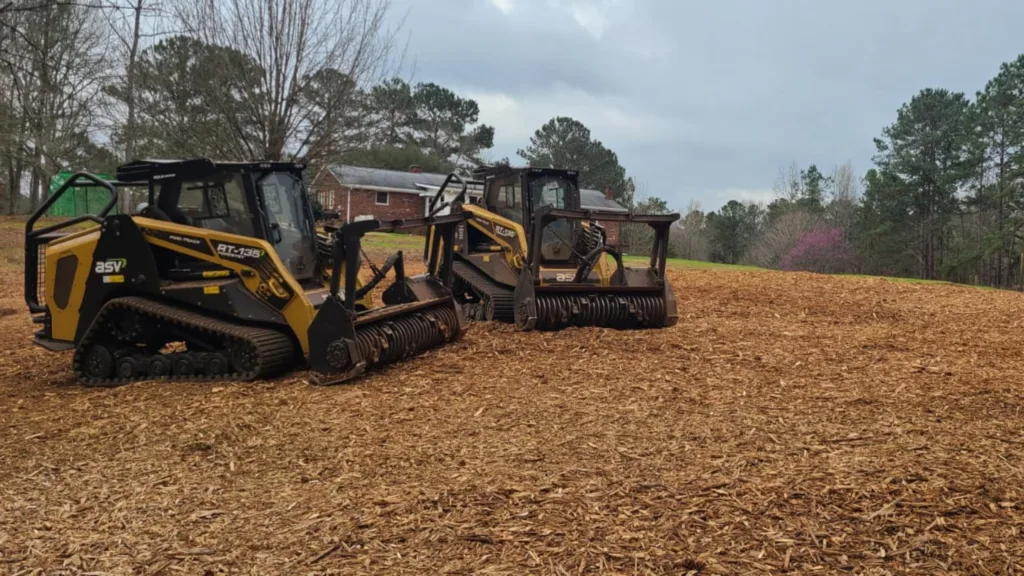
For overgrown parcels, professional land clearing services handle the mechanical removal of vegetation, stumps, and root systems before grading can begin.
How Much Does Land Reclamation Cost? Real Cost Drivers Explained
Land reclamation costs in the US range from $5,000 to $200,000+ per acre, depending on site type, contamination level, required fill volume, and local permitting fees. Brownfield sites sit at the high end; vegetated rural parcels sit at the low end.
The four primary cost drivers are:
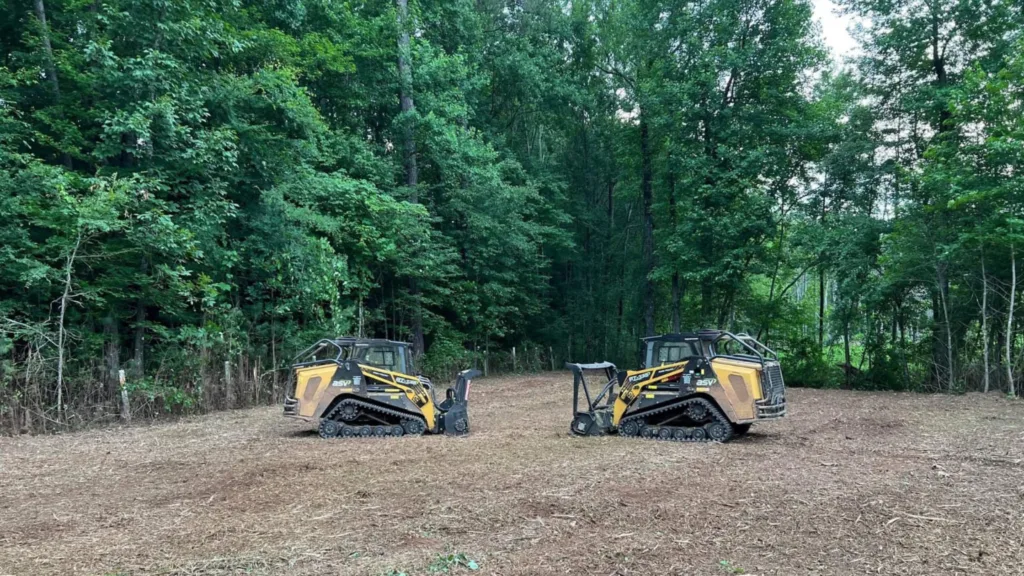
- Labor and equipment: Komatsu dozer-class machinery and excavator hours typically account for 35–50% of total project cost. Mobilization fees for remote sites add $5,000–$20,000.
- Fill material: Clean structural fill runs $8–$25 per cubic yard delivered. A 1-acre quarry site may require 10,000–50,000 cubic yards.
- Environmental testing and compliance: Phase I ESAs cost $1,500–$6,000. Phase II investigations range from $10,000 to $50,000+.
- Permitting fees: Army Corps Section 404 permits, state environmental approvals, and local grading permits collectively add $2,000–$30,000 per project.
Use a construction site cost estimator to model your specific acreage and site conditions before requesting contractor bids.
The Land Reclamation Process: Step-by-Step from Site Assessment to Buildable Pad
A well-managed land reclamation project follows eight sequential phases. Skipping or compressing any phase increases both cost and regulatory risk.
- Site survey: Topographic and boundary survey establishes existing conditions and identifies drainage patterns.
- Phase I Environmental Site Assessment: Reviews historical land use for contamination indicators.
- Permitting: Secures Army Corps Section 404 permits, state environmental approvals, and local grading permits.
- Clearing and grubbing: Mechanical removal of vegetation, stumps, and debris. Robert Collins Co. documents this phase as foundational to all subsequent grading work.
- Terrain grading: Cut-and-fill operations reshape the site to the design elevation.
- Engineered fill placement: Fill is placed in compacted lifts, typically 6–12 inches each.
- Compaction testing: A geotechnical engineer verifies density at each lift before the next is placed.
- Drainage installation: Storm drainage, retention systems, and outfall structures are installed to meet local stormwater standards.
For a detailed breakdown of phases 1–3, see our guide on environmental permitting for development projects.
How to Vet a Land Reclamation Contractor: 6 Questions to Ask Before You Sign
Most contractor selection mistakes happen because developers ask for price first and qualifications second. Reverse that sequence.
Ask these six questions before signing any reclamation contract:
- Are you licensed and bonded in this state? Licensing requirements vary by state; bonding protects you if the contractor abandons the project.
- What is your equipment capacity? A contractor running two aging dozers cannot execute a 50-acre project on schedule.
- What is your regulatory compliance track record? Request references from projects involving Army Corps or EPA oversight.
- How do you handle contaminated soil disposal? Improper disposal creates a liability that transfers to the property owner.
- Do you carry errors and omissions insurance for environmental work? Standard general liability does not cover environmental remediation failures.
- What does your project timeline guarantee look like? Get milestone dates in writing, with liquidated damages clauses for delay.
A contractor experienced in site preparation and grading will have documented processes for each of these areas.
Environmental and Regulatory Considerations You Can’t Ignore
Three regulatory frameworks govern virtually every commercial land reclamation project in the United States.
- Army Corps of Engineers Section 404 requires a permit for any discharge of dredged or fill material into waters of the United States, including wetlands. Wetland-adjacent parcels almost always trigger this requirement. Permit review timelines range from 60 days (nationwide permit) to 18+ months (individual permit).
- EPA Brownfields Program guidelines establish the assessment and cleanup standards that apply to formerly contaminated sites. The program has funded over $2.4 billion in brownfield cleanup grants since 1995, but compliance with cleanup standards is mandatory regardless of grant status.
- MassDEP’s Reclamation Soils Policy sets a widely referenced state-level standard for fill material quality in large-volume reclamation projects. Developers operating outside Massachusetts should check with their state environmental agency for equivalent policies — most states have adopted similar frameworks.
RES works across all three regulatory frameworks on complex sites, making them a useful benchmark for what full-compliance reclamation engagement looks like.
Next Steps: Getting a Land Reclamation Services Quote
Before contacting a contractor, assemble three documents: a current topographic site survey, a title report confirming ownership and any easements, and a Phase I Environmental Site Assessment. These three items allow any qualified contractor to provide an accurate scope and budget within 5–10 business days.
Request itemized bids that separate site assessment, permitting, earthwork, fill material, compaction testing, and drainage installation as distinct line items. Bundled lump-sum bids make it impossible to compare contractors or identify scope gaps.
Finally, verify that your contractor carries the appropriate environmental and general liability coverage before executing any contract. A reclamation project that creates a contamination liability is worse than no project at all.
FAQs
1. How much does land reclamation cost per acre in the US?
Land reclamation costs range from $5,000 to $200,000+ per acre in the US. Simple vegetation clearing on rural land sits at the low end. Brownfield sites with contaminated soil removal, engineered fill, and multi-agency permitting routinely exceed $100,000 per acre. The primary cost drivers are fill material volume, contamination levels, equipment mobilization, and permitting fees.
2. What is the step-by-step land reclamation process for a commercial development site?
The process runs through eight phases: topographic site survey, Phase I Environmental Site Assessment, permit acquisition (including Army Corps Section 404 where applicable), vegetation clearing and grubbing, terrain grading, engineered fill placement in compacted lifts, compaction testing by a geotechnical engineer, and drainage system installation. The full sequence takes 3–18 months, depending on site complexity.
3. What permits are required before starting a land reclamation project?
Most projects require at minimum a local grading permit and a state environmental approval. Sites affecting wetlands or waterways require an Army Corps of Engineers Section 404 permit. Brownfield sites require EPA or state environmental agency sign-off on cleanup standards. Some states, like Massachusetts under MassDEP’s reclamation soils policy, also regulate the type of fill material used.
4. What is the difference between land reclamation and land remediation?
Land reclamation refers to the physical conversion of unusable land into buildable or usable land through grading, filling, and drainage work. Land remediation specifically addresses the removal or neutralization of contamination — chemicals, heavy metals, or hydrocarbons — from soil or groundwater. Brownfield projects require both: remediation clears the contamination; reclamation reshapes the land for development.
5. How do I choose between land reclamation contractors for a brownfield site?
Prioritize contractors with documented experience under EPA Brownfields Program guidelines and a track record of Army Corps Section 404 compliance. Ask for references from completed brownfield projects, verify their bonding and environmental liability insurance, and confirm they have in-house capacity for contaminated soil disposal. Firms like RES that operate across multiple regulatory frameworks are better positioned for complex contaminated sites than general earthwork contractors.
7. How long does a typical land reclamation project take from assessment to buildable pad?
Timeline ranges from 3 months for a simple vegetated parcel to 18+ months for a contaminated brownfield requiring multiple agency permits. The permitting phase alone — particularly Army Corps individual permits — can take 12–18 months. Environmental assessment adds 60–120 days before earthwork begins. Developers should build permit timeline contingencies into their project schedules.
8. Is land reclamation environmentally regulated at the federal level?
Yes. The Army Corps of Engineers regulates fill placement in waters of the United States under Section 404 of the Clean Water Act. The EPA oversees brownfield contamination assessment and cleanup standards. Federal regulations set the floor; state agencies like MassDEP layer additional requirements on top, particularly for fill material quality and volume.