When you search Site Preparation for Construction, you usually want one thing: a jobsite that feels build-ready from day one. However, real progress comes from more than “clearing the lot.” You need a prep plan that matches your finish line—homesite, commercial pad, driveway access, utilities, or a full development footprint—while protecting soil and keeping crews safe. Therefore, this guide explains what a clean prep scope includes, why controlled clearing leaves a better surface, and what to ask before you hire.
Why Projects Need Disciplined Prep
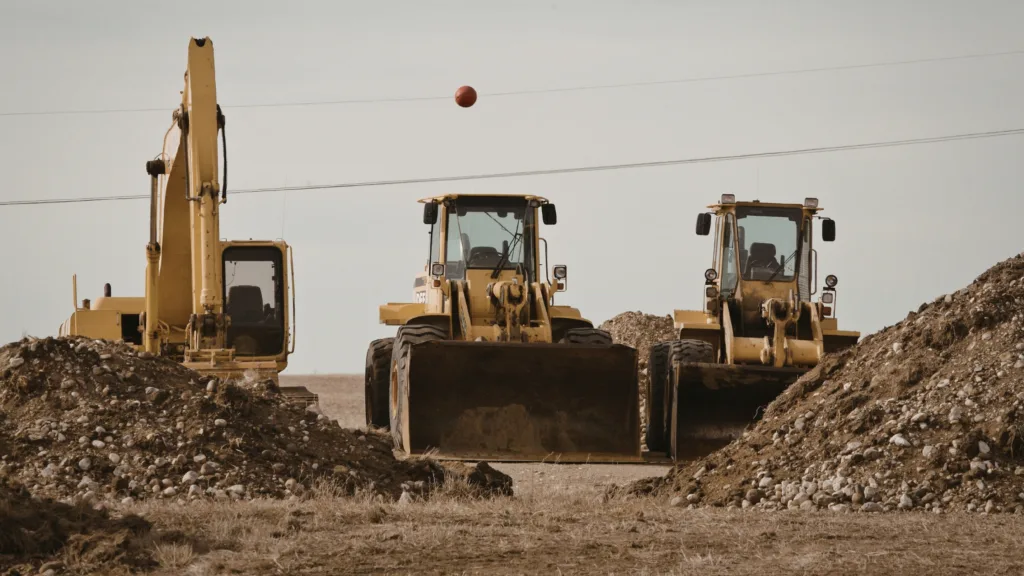
Fast regrowth, heavy rains and tough clay can hide hazards and erase access quickly. Consequently, rushed work can leave soft spots, buried stumps, and muddy choke points that slow the next phase. Site Preparation for Construction starts with visibility and control because you make better decisions when you can see grades, obstacles, and boundaries clearly. Moreover, you protect timelines when you stabilize travel lanes early and keep equipment moving without constant rework.
Overgrowth also masks risk, because brush can conceal wires, trash, old fencing, holes, and uneven ground near a future pad. Additionally, runoff can cut ruts across access routes and push sediment into staging zones. Therefore, a smart plan removes vegetation with intent, shapes the site for drainage, and prepares clean working areas for survey, staking, and earthwork.
How Professional Site Prep Differently
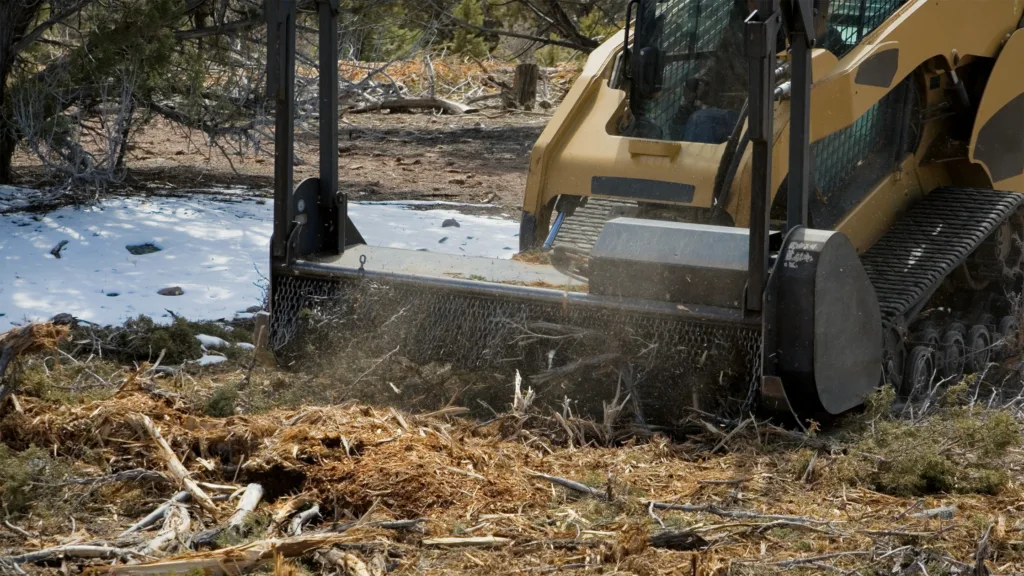
Traditional clearing often creates piles that demand extra handling and clutter the work zone. In contrast, forestry mulching grinds brush and small trees in place so crews can clear and finish in one cleaner workflow. The mulch layer covers exposed ground, which helps slow erosion during storms and reduces messy runoff on slopes.
A disciplined crew also sequences the work. First, the team opens access and defines staging. Next, the crew clears the footprint and key corridors. Then, the operator refines transitions and improves visibility around boundaries, entrances, and utility paths. As a result, the prep work supports the next trade instead of forcing them to work around unfinished ground.
The Service Lines that Complete the Job
A strong provider brings more than one capability, because most sites present multiple problems at once. So, as you evaluate Site Preparation for Construction, you should match these core service lines to your goal and terrain.
A. Forestry Mulching for Brush and Small Trees
A forestry mulching crew grinds brush, saplings, and dense understory right on-site. As a result, the vegetation becomes an even mulch layer instead of turning into bulky piles. Additionally, the crew can keep the finish clean along fence lines, access routes, and edges you want to preserve.
B. Land Clearing for Broader Resets
Some projects need a wider reset than mulching alone. Therefore, land clearing opens larger sections for pads, staging areas, and equipment travel lanes. Moreover, it helps remove heavier obstacles that could slow grading, staking, and layout work.
C. Total Site Preparation for the Next Phase
Site prep connects clearing with what comes next. Consequently, the crew aligns access, footprint readiness, and early earthwork support with your construction plan. Additionally, this coordination helps you move from prep into layout faster without losing momentum.
D. Right-of-Way Clearing for Utility and Access Corridors
Roads and utility corridors require clear, consistent access. Therefore, right-of-way clearing keeps corridor lines open for trenching, conduit runs, and safe equipment movement. Additionally, it helps maintain a cleaner path for multiple crews working in sequence.
E. Grinding and Chipping for On-Site Processing
Some jobs create downed material that needs fast cleanup. In that case, grinding and chipping processes debris on-site into manageable chips, so the work area stays cleaner. Additionally, it reduces clutter and keeps access and staging zones more usable.
Because these service lines work together, you can finish cleaner and move into layout, utilities, and earthwork with fewer delays. Learn more about Grading and Land Clearing.
A Clean Process From Start to Finish
A reliable crew follows a clear process, and that process protects safety and finish quality.
a) Define the finish line: You clarify the end use, and the crew selects the right clearing intensity.
b) Plan access and boundaries: The team marks lines, key trees, and sensitive areas, and the crew chooses travel lanes that limit disturbance.
c) Clear with control: Operators run steady passes, adjust depth for density, and maintain clean edges around entrances and corridors.
d) Finish the surface: The crew cleans missed pockets, smooths transitions, and confirms visibility along boundaries and access routes.
Then, the crew validates the surface for the next phase, and the team leaves fewer hidden surprises for grading and layout. Learn more about Mastering Land Clearing.
How to Judge the Final Finish
You should judge more than “how much got removed.” Instead, you should look for control and intentionality.
- You should see clear boundaries and clean edges along fences, driveways, and corridor lines.
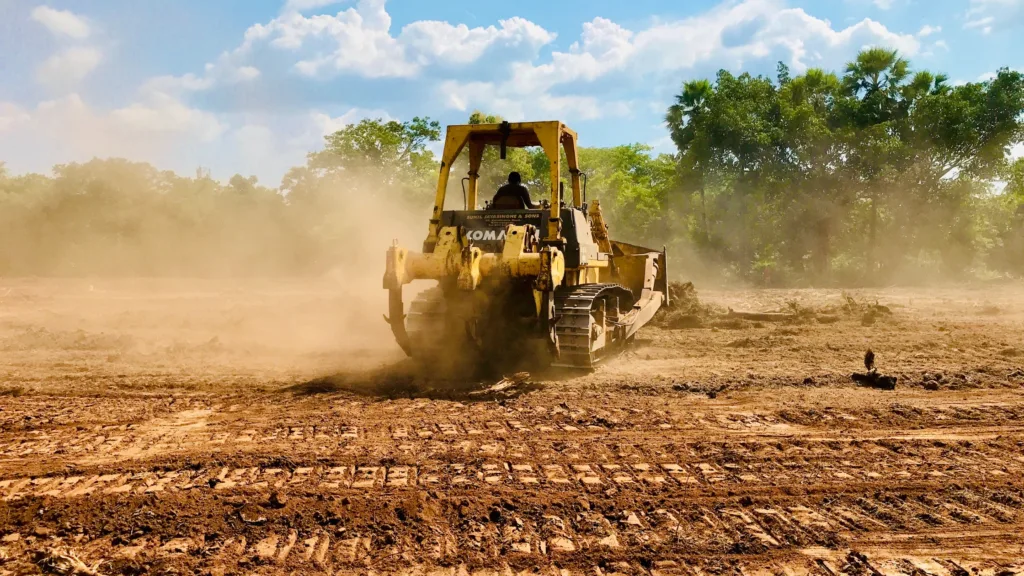
- You should see a consistent mulch layer or a clean, managed surface instead of scattered piles and tangled debris.
- You should walk key access lanes without stepping over hidden stumps, wire, or uneven hazards.
- You should see open sightlines that help you confirm slopes, drainage paths, and staging zones.
Because regrowth returns and weather shifts quickly, the finish matters. Therefore, you should look for a surface that stays usable after the first big rain.
Conclusion
A smart prep plan should lead you to a crew that clears efficiently, leaves a clean working surface, and supports multiple needs in one coordinated workflow. For Site Preparation for Construction, Alpha Mulchinghandles the heavy work from start to finish with forestry mulching, land clearing, total site preparation, right-of-way clearing, and grinding & chipping—so you keep one team accountable and keep your timeline moving. Additionally, their process helps open access to equipment, improve visibility across the footprint, and leave a cleaner, more manageable surface for the next phase of your build. Because they serve Georgia, you get local execution, straightforward communication, and jobsite-ready results you can build on.